Who uses KeySafe.

KeySafe is for anyone holding more keys than they can keep track of, from a portfolio of properties to a full kitchen drawer. The task is the same in each case: work out which key opens which door.

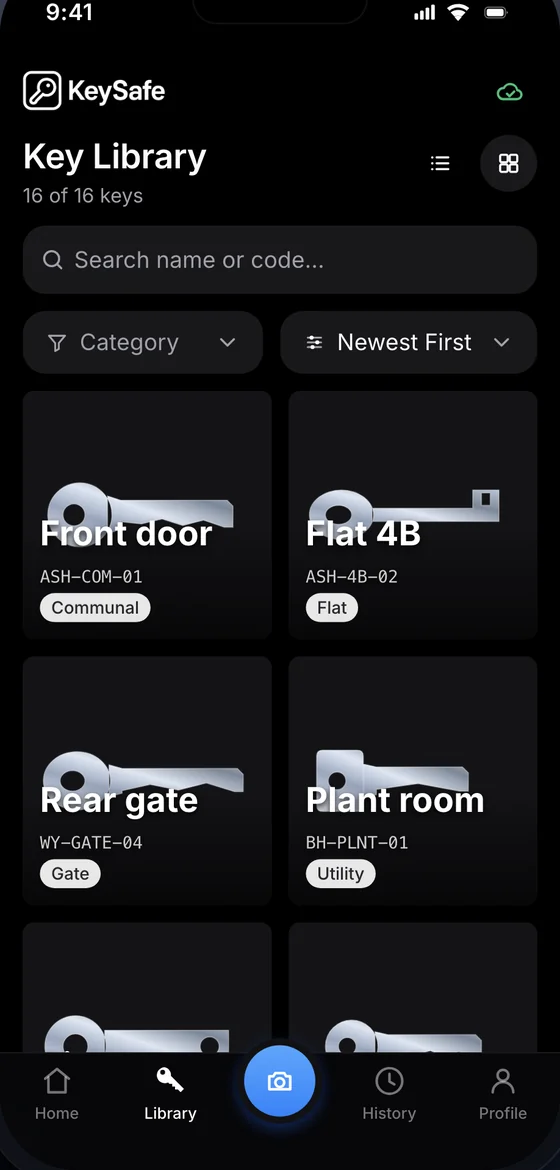
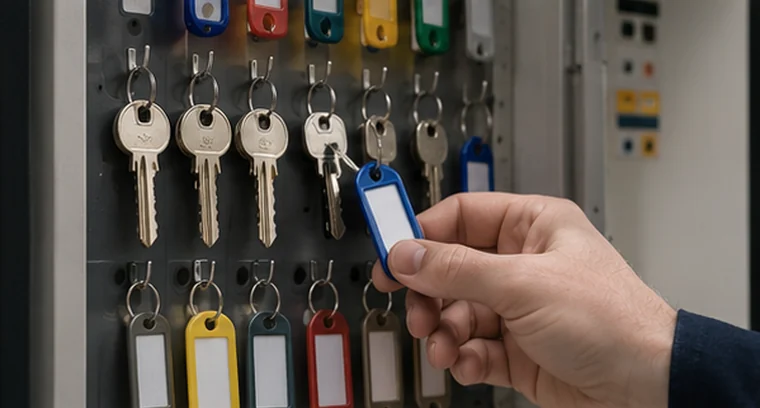
A key library of sixteen named keys, each with its code and tag.
A hand lifting a tagged key from a key cabinet full of colour-tagged keys.

Landlords and letting agents

A drawer of keys for properties you have not visited in months, several of them cut from the same blank.

Scan each key as it comes back from a tenancy and label it while you still know what it opens. When a set returns unlabelled, scan to find out which property it belongs to.
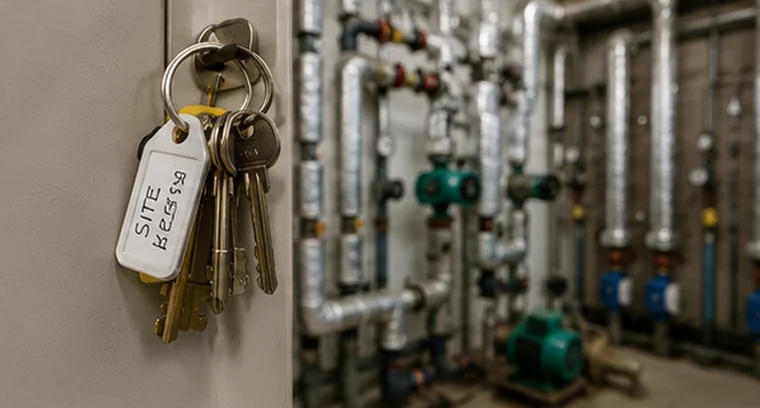
A bunch of tagged keys hanging beside the pipework of a plant room.

Facilities and maintenance

Plant rooms, risers, meter cupboards and roof hatches, on rings whose labels are out of date.

Catalogue the ring once, then identify any key on it without walking the building trying doors.

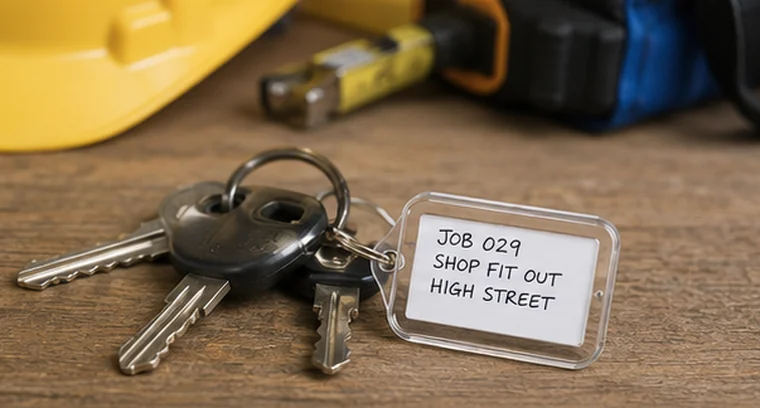
A keyring labelled for a shop fit-out job, on a bench beside a hard hat and tools.

Trades and keyholders

Keys collected across jobs and clients that are hard to tell apart weeks later.

Label each key with the job it belongs to, and check you have the right one before travelling to site.

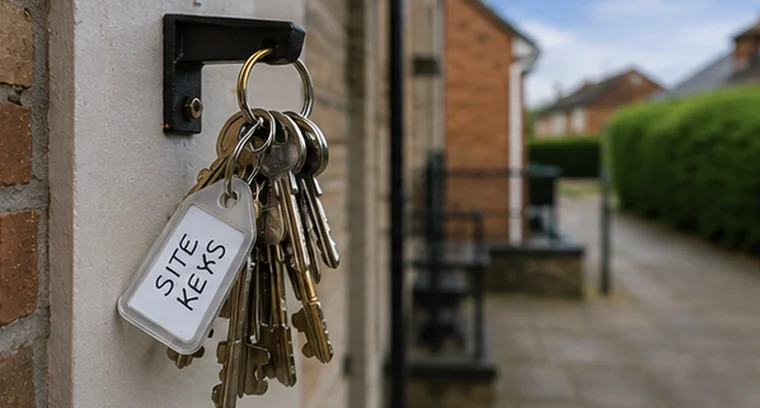
A large bunch of site keys hanging by the door of a residential block.

Caretakers and site managers

One site, dozens of doors, and a bunch inherited from whoever had the job before you.

Work through the inherited bunch once, matching keys to doors as you confirm them, and leave a catalogue behind for the next person.

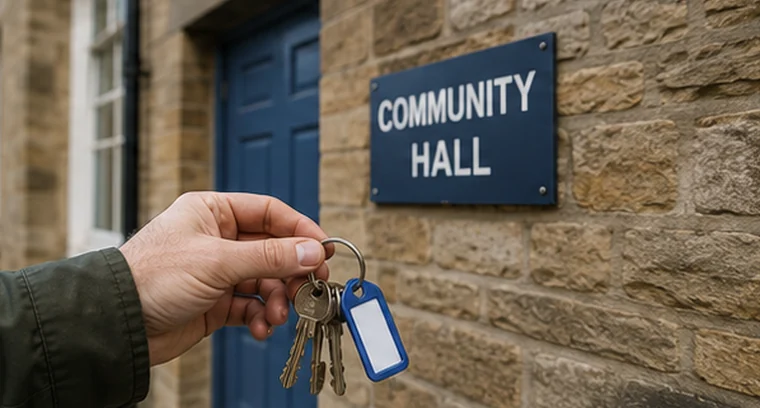
A hand holding a single tagged key outside a community hall.

Clubs, halls and community buildings

Keys passed between volunteers, where only one person knows which key opens which door.

Record which key opens which door in a catalogue, so a key handed to someone new can still be identified a year later.

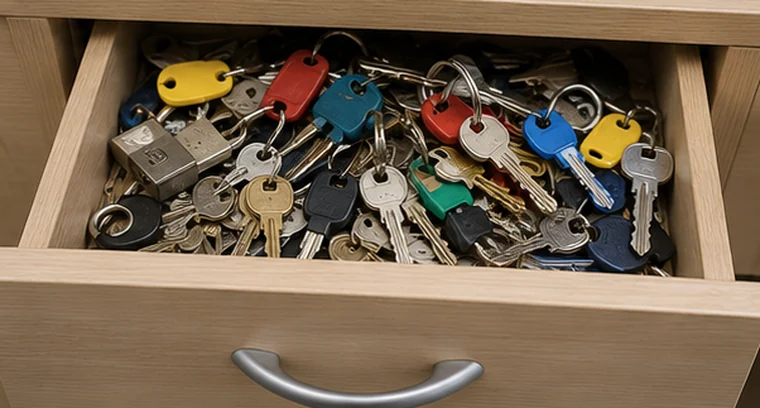
An open drawer filled with dozens of loose and tagged keys.

Anyone with a full drawer

Garage, shed, lock-up, old flat, the padlock on the allotment gate, and a handful of keys you cannot identify.

Scan them once and label the ones you can place, so the drawer is worth opening next time.

Two limits to know about.

Keys have to be scanned first

KeySafe matches against your own catalogue and cannot identify a key you have never scanned. Building the catalogue takes an initial session of scanning and labelling.

A catalogue belongs to one account

There is no shared team catalogue today. If several people need the same one, tell us at support@key-safe.net — it helps us prioritise.

Start your catalogue.

Download KeySafe: Key Identifier for iPhone and Android.

Get the app